
Turnkey Automation
One contract. One team. One performance number. Complete automation systems — mechanical, electrical, robotics, software, safety — designed, built, tested, and commissioned by BIOS end-to-end.
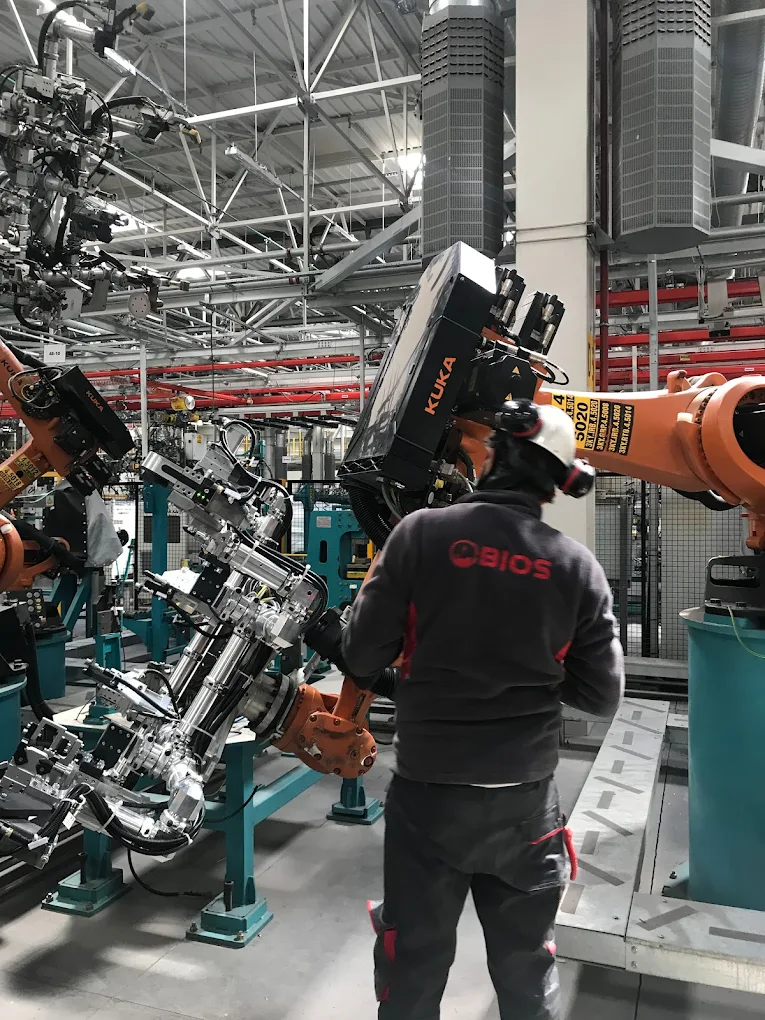
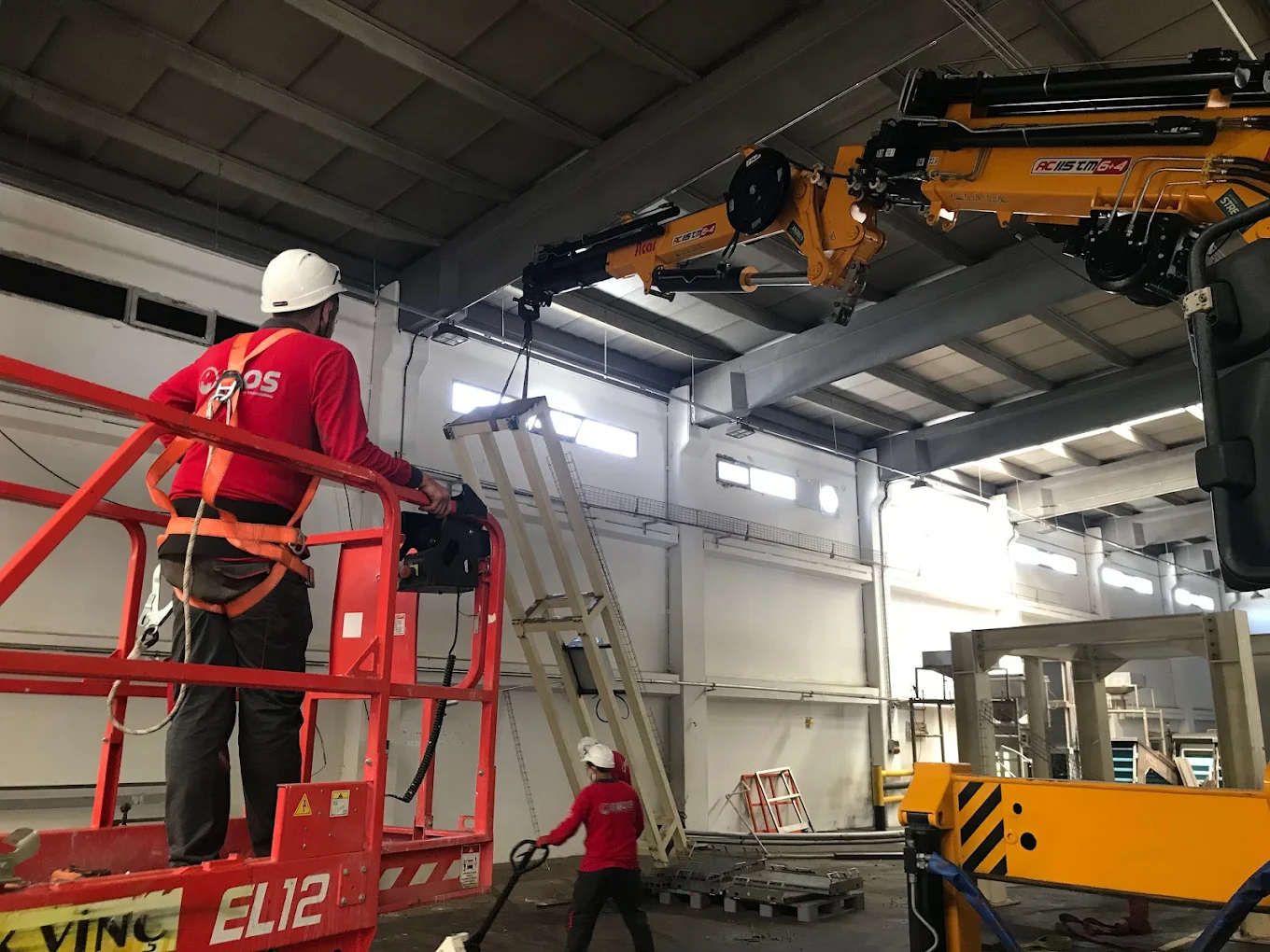
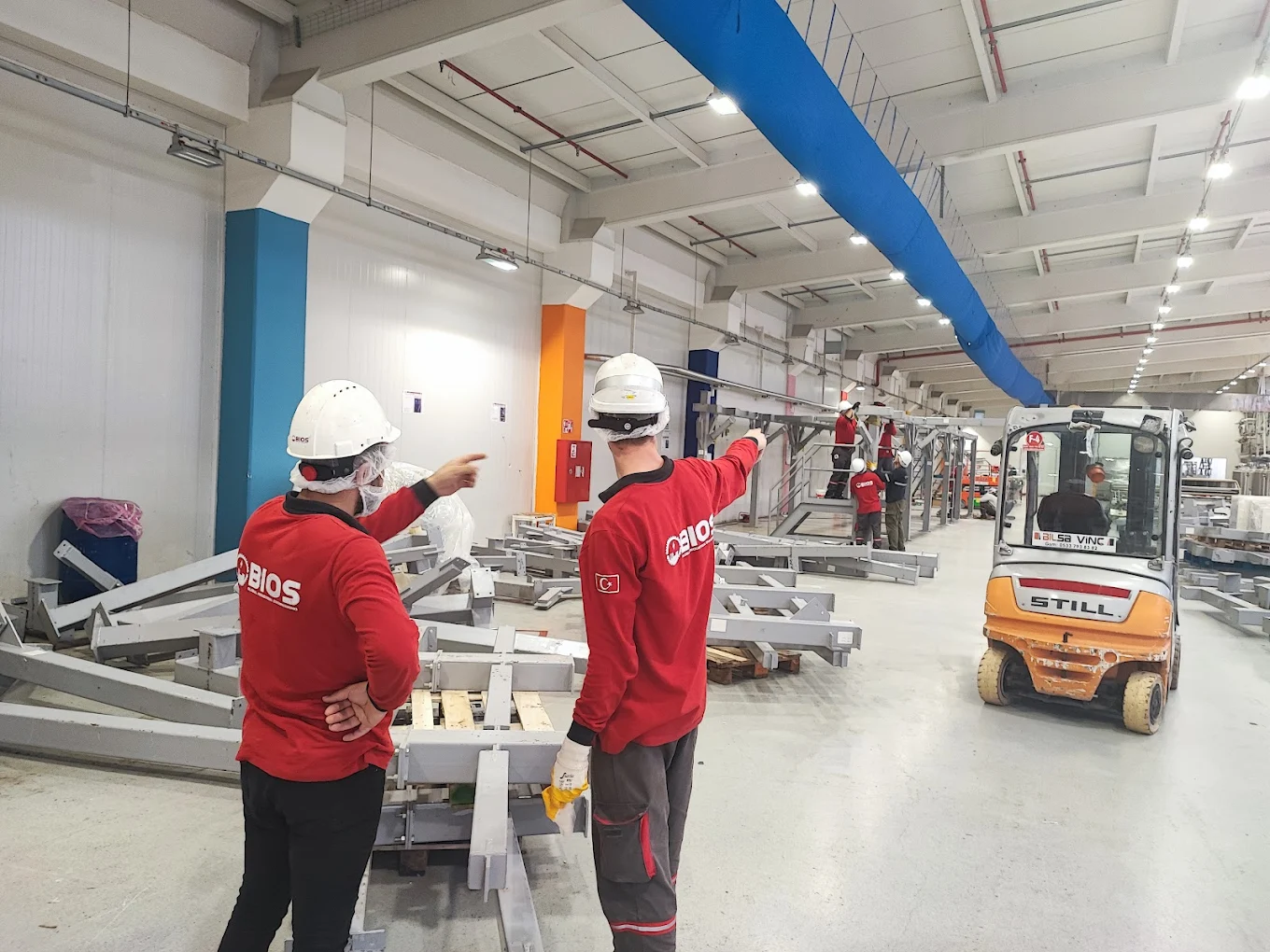





Multi-vendor automation projects fail in predictable ways. Mechanical doesn't talk to electrical. Robots arrive before the safety design is signed off. Three integrators point at each other when cycle time misses. The customer ends up as the de facto system integrator — without the tools or the leverage to do it. We don't deliver projects that way.
BIOS delivers complete automation systems under a single contract. Mechanical, electrical, robotics, PLC/HMI/SCADA software, and machine safety — all designed and integrated by our own team, all in-house. We don't start from a product catalog. We start from your process, your cycle time, your quality targets — and design the system to hit them. Performance is contractually defined, FAT-verified, and signed off on site before our team leaves.
• Single-source responsibility. One contract, one project manager, one accountable team — from feasibility through to commissioning.
• Process-first design. Systems engineered around your cycle time, part geometry, and quality targets — not built around what's in a vendor catalog.
• All disciplines in-house. PLC, DCS, SCADA, HMI, robotics, servo drives, safety, mechanical — engineered, built, programmed, and integrated by our own engineers.
• Performance signed off in the contract. Cycle time, OEE, and quality acceptance criteria written into the agreement. FAT and SAT verified before handover.
Scalable automation architectures that maximize throughput, lock in quality, and shrink total cost — delivered turnkey from one source.
Automated Assembly Systems
Multi-station automated assembly lines: screwdriving, press-fitting, clip insertion, component placement, and end-of-line verification. Sequenced and balanced to your target cycle time.
Robotic Integration
Robot cells and lines built into turnkey systems — welding, assembly, pick-and-place, palletizing. Brand-independent: ABB, FANUC, KUKA, Yaskawa, Universal Robots.
Automated Testing and Inspection
In-line and end-of-line test stations: leak testing, dimensional inspection, functional verification, vision-based quality control. Integrated into the production flow, not bolted on.
Modernization and Retrofit
Bringing underperforming or outdated production lines back up to standard with current-generation electronics, sensors, and controls. Mechanical structure stays in place; software, electrical infrastructure, and control architecture are rebuilt from the ground up. Significantly more cost-effective than a new-line investment.
PLC, HMI, and SCADA Integration
Complete control architecture: SCADA design and integration, PLC programming, HMI development, and data exchange with MES and ERP. Plant and process automation from a single source — no software handoffs between vendors.
Safety and CE Compliance
Machine safety design, risk assessment, guarding and interlock systems, and the full CE marking process. Built into the system from day one, not added at the end.
Industries We Automate
Turnkey automation in industries where volume, quality, and competitive pressure make manual processes unsustainable.
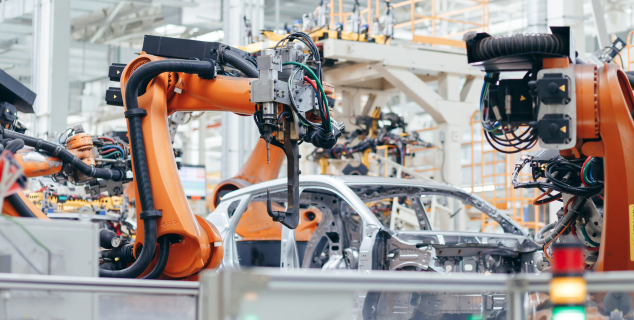
Automotive
Body welding lines, press shops, paint lines, assembly cells, and supplier plants. OEM and Tier-1.
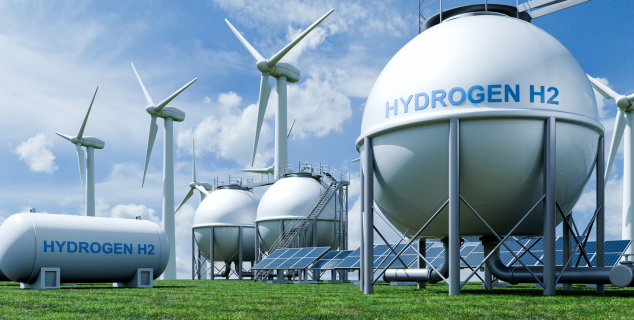
Energy
Turbines, generators, transformers, switchgear, maintenance lines, and industrial control systems.
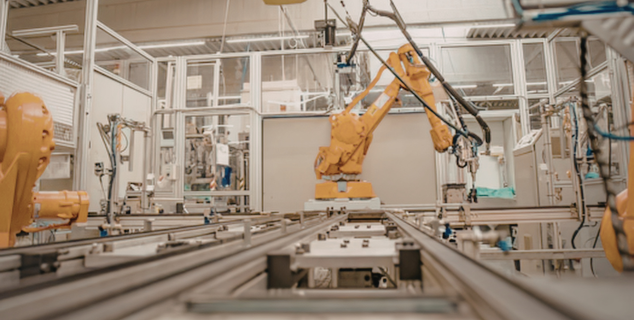
Home Appliances
Refrigerator, washing machine, oven, and air conditioner production lines; press, assembly, test stations, packaging, and end-of-line systems.
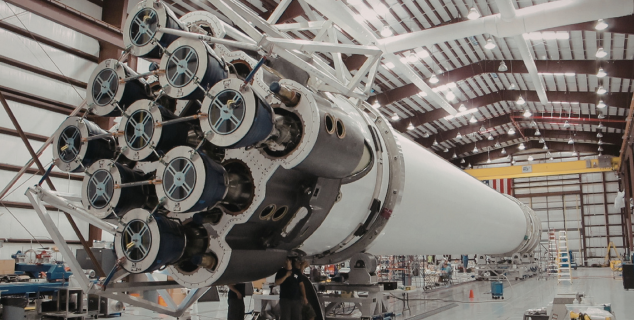
Defense Industry
Precision machining workshops, test and calibration facilities, restricted-access production lines, and assembly cells.
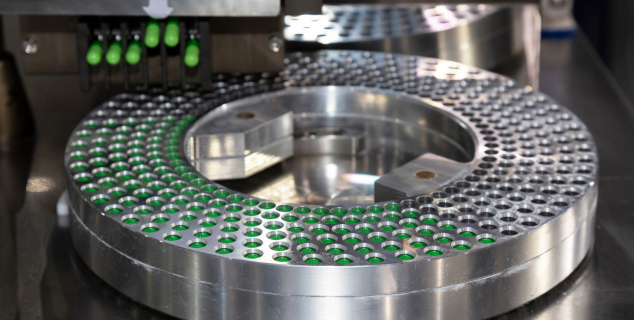
Chemicals
Reactors, mixers, filling and packaging lines, storage tanks, and process control infrastructure.
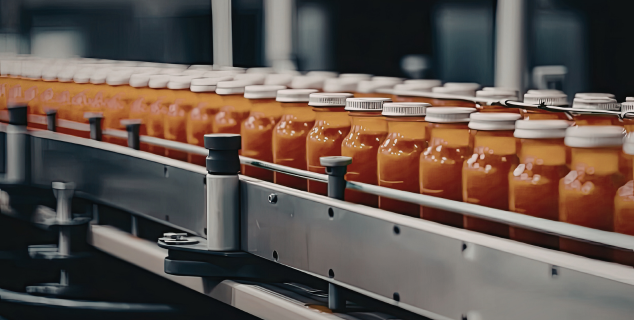
Food
Filling, packaging, and palletizing lines, sterilization units, confectionery and chocolate plants, and cold storage.
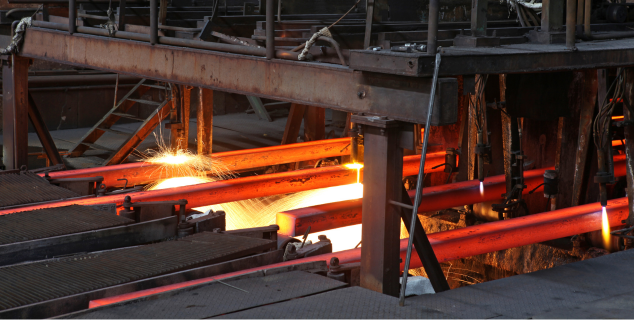
Metal and Mining
Rolling mill equipment, foundries, welding and cutting lines, heavy-tonnage presses, and end-of-line automation.
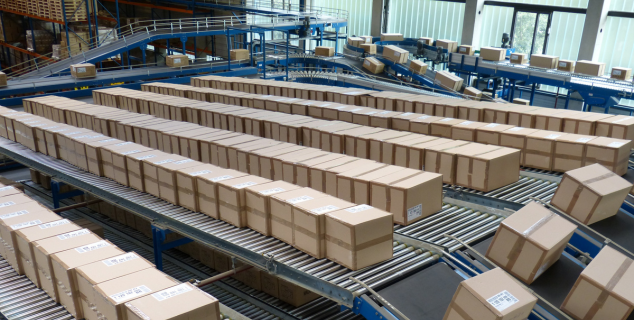
Paper and Packaging
Printing machinery, sheeting and cutting lines, palletizers, corrugated and flexible packaging plants.
Five stages on every turnkey project. Same engineering discipline, single cell or full production line.
Process Analysis and Feasibility
We map your existing or planned process in detail — cycle time targets, part specifications, quality requirements, footprint constraints, and integration points with existing equipment. Before any commitment, you get a feasibility report: automation concept options, investment estimate, expected ROI.
System Design and Specification
Mechanical layout, robot and equipment selection, control architecture, safety design, and cycle-time simulation — all engineered before manufacturing starts. 3D models, electrical schematics, and software architecture are signed off by you before anything is built.
Manufacturing and Integration
Mechanical components manufactured in our shop. Electrical panels built and tested in-house. Robot programming, PLC and HMI software, and safety integration done by our own engineers. Critical engineering disciplines never go to subcontractors.
Factory Acceptance Test (FAT)
The system is assembled and tested at our facility before it ships. Cycle time, quality output, and functional requirements are verified against the contract spec. You can attend the FAT in person and sign off before the system leaves the shop.
On-Site Installation and SAT
Installation and Site Acceptance Test (SAT) managed at your plant by our engineers. Operator and maintenance training delivered on the live system. Full documentation — drawings, programs, safety files, spare parts list — handed over in the requested language, in PDF, DWG, and editable formats.
Single contract, single delivery, single accountable party. You sign one agreement and we deliver a working system — mechanical, electrical, robotics, software, safety, documentation — running at the cycle time and quality criteria written into the contract. No coordinating between three integrators. No finger-pointing when something doesn't line up. You get a key. You turn it. The line runs.
Everything between concept and a line in production. Process analysis and feasibility, system design, mechanical manufacturing, panel build, robot integration, PLC and HMI software, safety design, CE marking, FAT, transport, on-site install, SAT, training, documentation. One project manager. One contract. One number for performance.
Cycle time, throughput, OEE targets, and quality acceptance criteria are written into the contract. We don't leave site until the system hits them — that's the commissioning guarantee. For long-term performance, we add availability and reliability targets where required, backed by a service agreement.
No. We're brand-independent across all major automation hardware: Siemens, Schneider, ABB, Rockwell, Mitsubishi for PLCs; ABB, FANUC, KUKA, Yaskawa, Universal Robots for robots; SEW, Lenze, Beckhoff for drives. Selection comes out of the feasibility study and your site standards — never out of a vendor relationship.
Mechanical drawings (PDF and DWG), electrical schematics (PDF and editable E-Plan), PLC and HMI programs (editable), robot programs, safety files including risk assessment and CE technical file, operating manuals, spare parts list, and maintenance schedule. In the requested language. Service history starts from day one.
Single automated cell or test station: 4-8 months. Multi-station assembly or welding lines: 8-14 months. Complex full production lines with high robot count: 12-18+ months. Time starts at design approval and runs through FAT, on-site install, and SAT sign-off. Most of the gain comes from doing all disciplines in parallel — mechanical and panel manufacturing run alongside software and robot programming.
FAT (Factory Acceptance Test) happens at our facility before shipment. The system is fully assembled and tested against the contract spec — cycle time, quality output, functional requirements. You can attend in person and sign off. SAT (Site Acceptance Test) happens at your plant after install. The system is verified under real production conditions, with your parts, on your power, in your environment. Both tests are required for handover.
Yes. Brownfield integration is a core part of what we do. Existing robots, conveyors, PLCs, and machinery are integrated into the new system where it makes economic sense to keep them. Where it doesn't, we recommend replacement and explain why. The feasibility report covers the keep-vs-replace decision before you commit.
Turnkey work is fixed-contract. The feasibility study and design phase produce a defined scope, a defined timeline, and a fixed price. Scope changes during execution go through a documented change-order process. No surprises at invoice time.
Automotive (OEM and Tier-1), home appliances, defense, food, chemicals, energy, metal and mining, paper and packaging. Deepest reference base: automotive — Ford Otosan, Tofaş, Toyota, BMC. From robotic welding cells to complete body lines.
Talk to Our Automation Engineers
Send us your process or scope brief — we'll come back within 24 hours.
Planning a Turnkey Automation Project?
Talk to our engineers about your scope. Single contract, single accountable team, performance signed off in writing.