Custom Fixtures, Tooling & Conveyors
We build to your part, not from a catalog. Welding fixtures, conveyor systems, and process tooling — engineered, machined, and installed end-to-end.
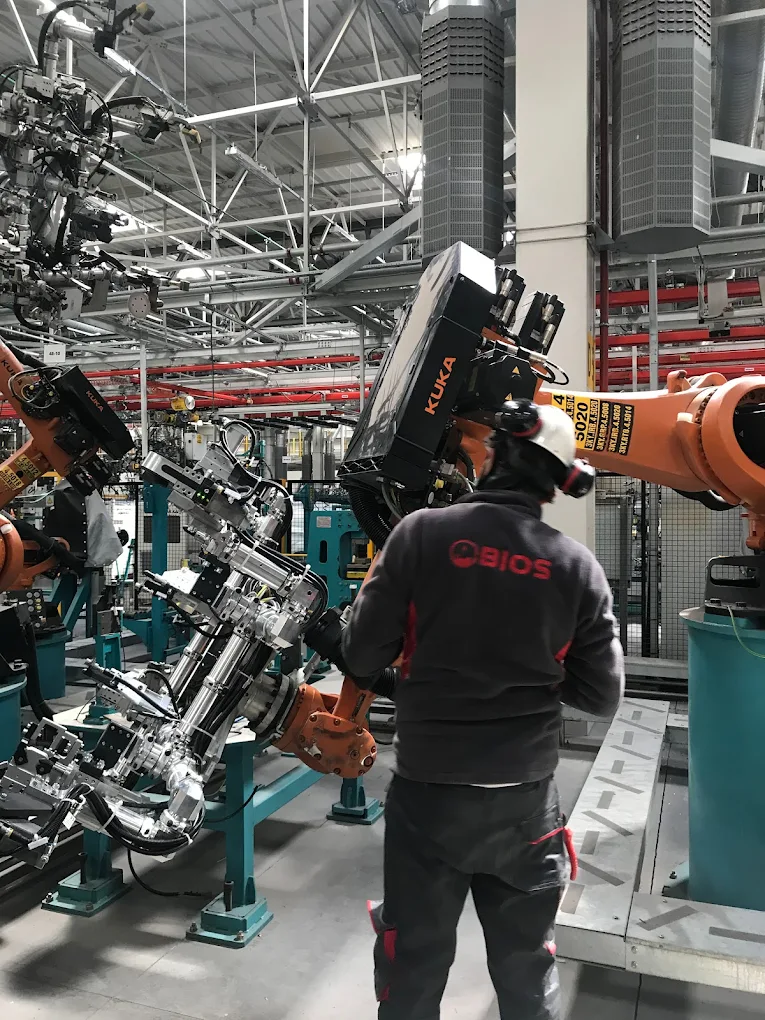
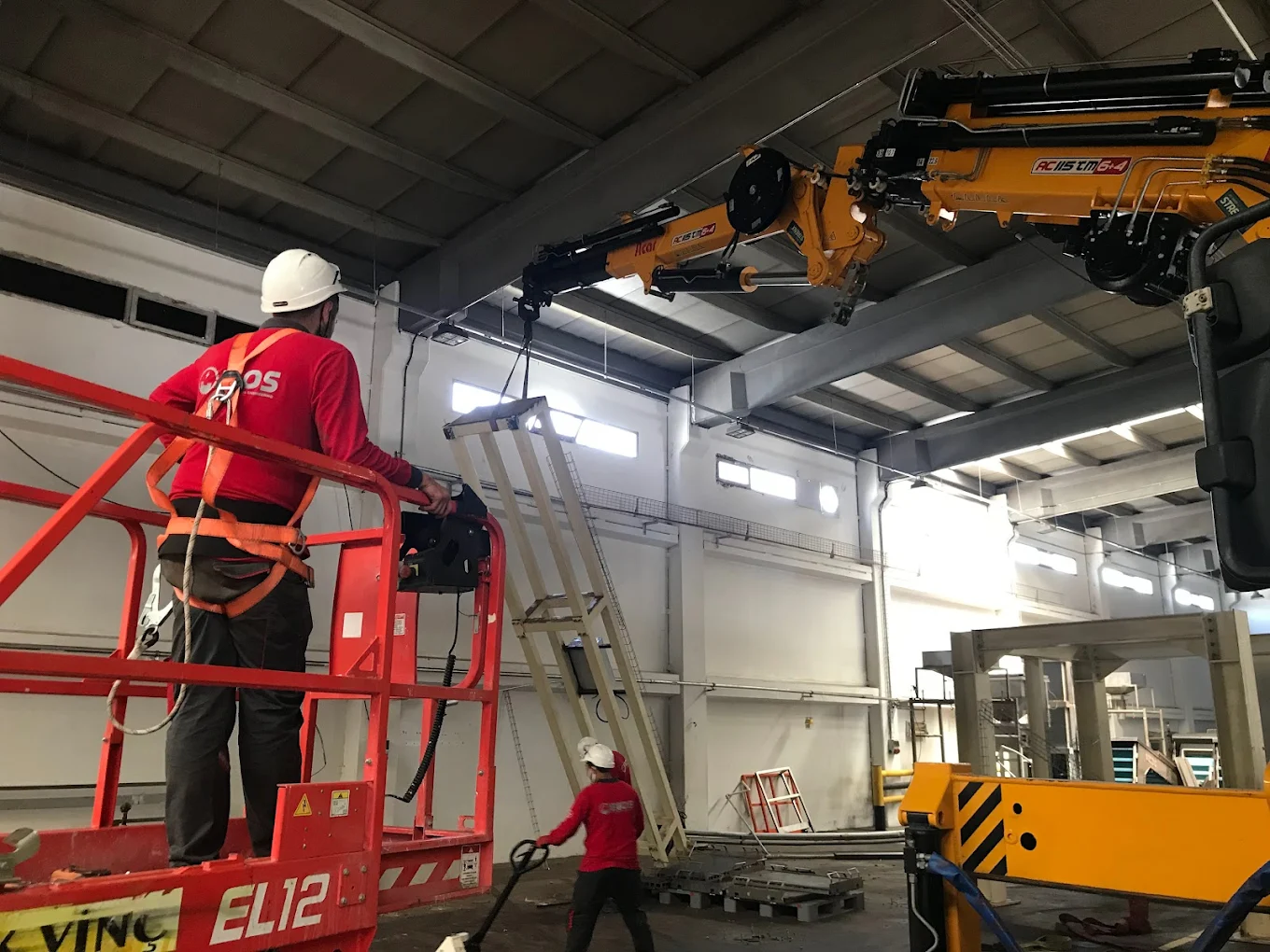
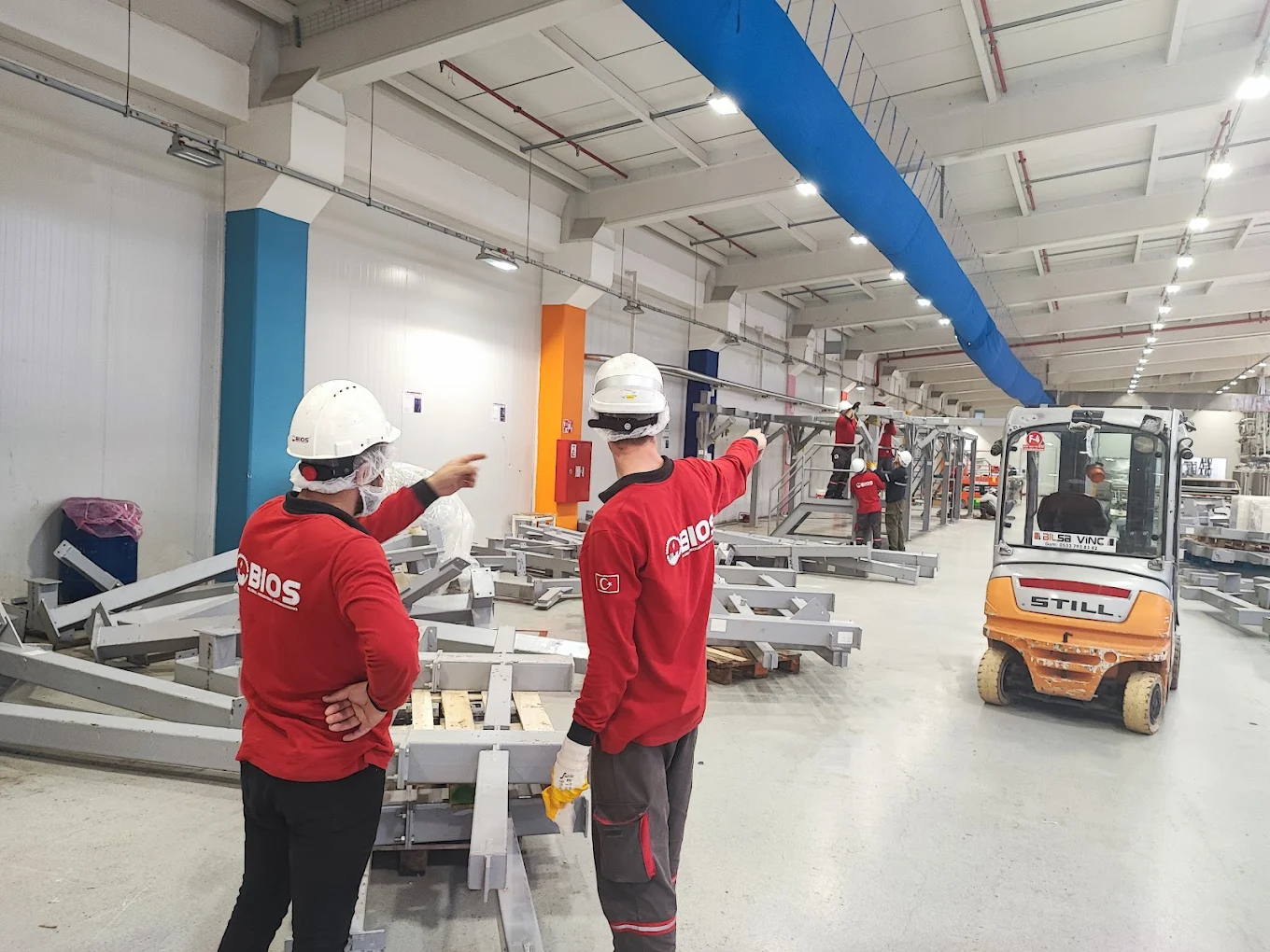



Off-the-shelf fixtures and standard conveyors are compromises. They force your process to bend around equipment limits — longer cycles, lost precision, fresh bottlenecks. We do it the other way around. The fixture, the conveyor, the tooling — all designed to your part, your tolerance, your line.
From a single welding fixture to a full conveyor line with integrated workstations, BIOS owns design, machining, surface treatment, assembly, and on-site install — under one roof. No multi-vendor handoffs. No version mismatches. No delays.
• Built to your part. Engineered to your geometry, cycle time, and ergonomics. We design around the part — not the catalog.
• CNC machined in-house. Precision machining to ±0.1 mm. Critical components stay in our shop — no subcontracted quality risk.
• Line-ready. Compatible with manual, semi-automatic, and fully automated production. Integration designed in from day one.
• Installed and signed off. On-site installation, site acceptance testing, and operator training delivered by the same team that built the system.
Custom manufacturing built around your process — to cut cycle time, lock in quality, and shrink per-unit cost.
Welding and Assembly Fixtures
Welding fixtures and assembly jigs that hold parts in exact position. Built to OEM standards for repeatable weld quality and consistent assembly tolerance.
Inspection and Measurement Fixtures
Dimensional inspection fixtures for in-line and end-of-line quality checks. CMM-compatible reference points, fast part loading, datum references built in from the design stage.
Conveyor Systems
Belt, roller, chain, and slat conveyors — designed to your layout, speed, and product weight. Single lines to full transfer systems with AGV integration; sensors, controls, and safety built in from the start.
Ergonomic Workstations
Manual and semi-automatic assembly stations engineered for operator ergonomics — with part presentation, tool integration, and station-level cycle optimization.
Lifting, Tilting, and Transfer Units
Hydraulic and pneumatic lifting tables, tilting platforms, and part transfer units. Sized to load, stroke, and cycle requirements.
Special-Purpose Tooling
Press-fit tools, torque rigs, end-of-arm tooling, and other process-specific equipment. Engineered to the operation, not adapted from a generic platform.
Industries We Build For
Field-tested in industries where uptime, equipment complexity, and tight tolerances leave no room for error.
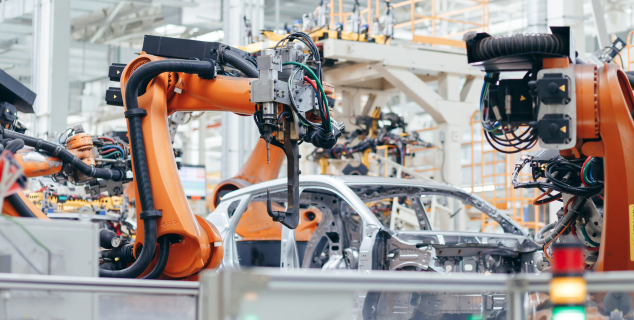
Automotive
Body welding lines, press shops, paint lines, assembly cells, and supplier plants. OEM and Tier-1.
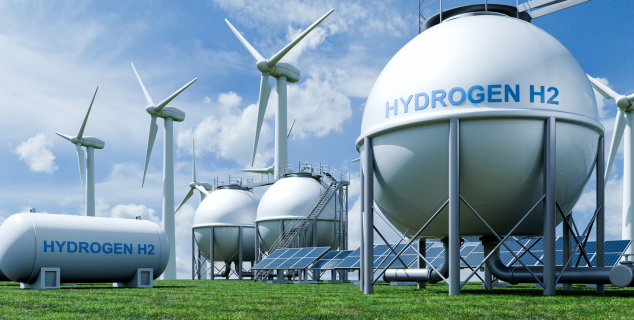
Energy
Turbines, generators, transformers, switchgear, maintenance lines, and industrial control systems.
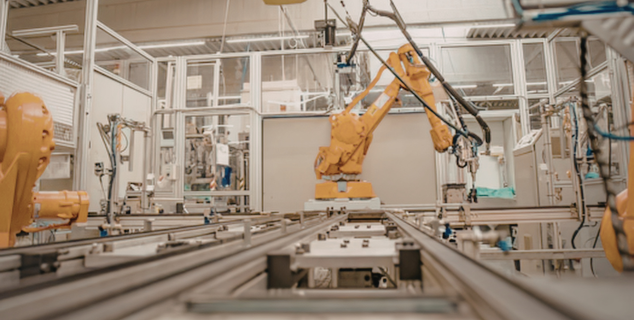
Home Appliances
Refrigerator, washing machine, oven, and air conditioner production lines; press, assembly, test stations, packaging, and end-of-line systems.
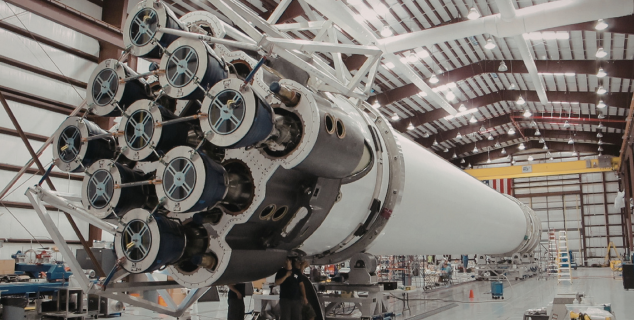
Defense Industry
Precision machining workshops, test and calibration facilities, restricted-access production lines, and assembly cells.
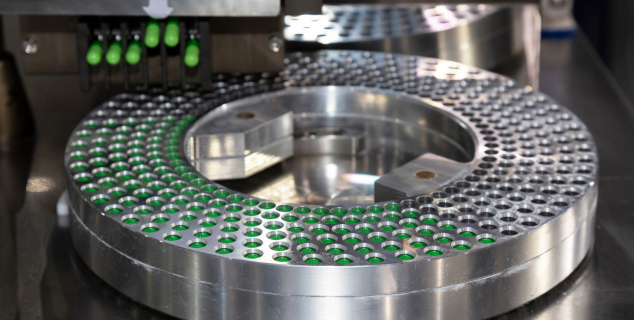
Chemicals
Reactors, mixers, filling and packaging lines, storage tanks, and process control infrastructure.
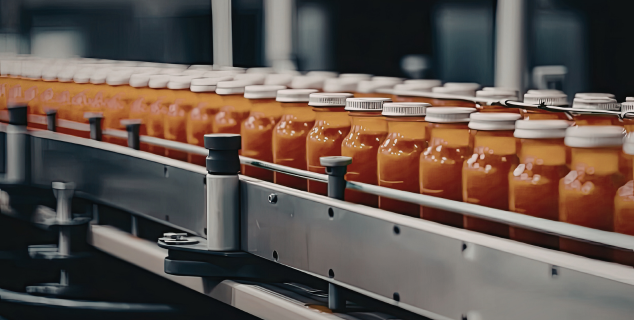
Food
Filling, packaging, and palletizing lines, sterilization units, confectionery and chocolate plants, and cold storage.
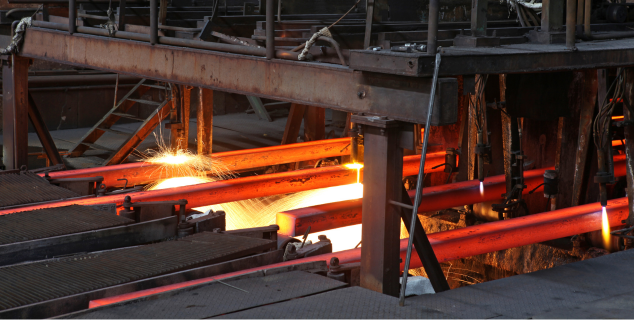
Metal and Mining
Rolling mill equipment, foundries, welding and cutting lines, heavy-tonnage presses, and end-of-line automation.
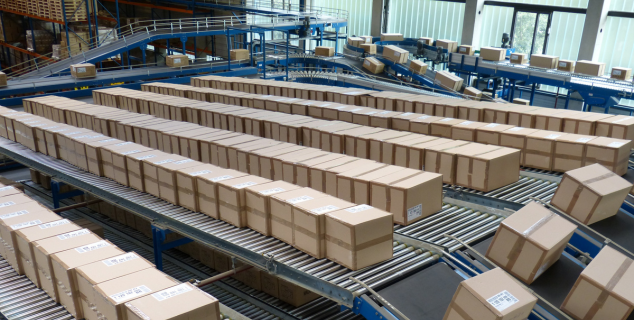
Paper and Packaging
Printing machinery, sheeting and cutting lines, palletizers, corrugated and flexible packaging plants.
Five stages on every project. Same engineering discipline — single fixture or full conveyor line.
Requirement Analysis
We start by mapping your process: part geometry, tolerance bands, target cycle time, operator interface, and integration with existing equipment. Drawings, 3D models, or a site visit — whatever it takes to get the picture right.
Concept Design and Engineering
Our mechanical engineers build the concept in 3D CAD — structure, clamping strategy, material selection, ergonomics. The design is reviewed with you before manufacturing starts. Changes at this stage cost nothing.
In-House Manufacturing
Structural manufacturing, CNC machining, sheet metal work, and surface treatment all happen in our own facility. Critical components stay in-house — we control quality at every stage.
Assembly, Testing, and Adjustment
The system is fully assembled and tested in our shop using customer parts or representative samples. Dimensional checks, functional tests, cycle-time validation — all completed before shipment. We adjust until performance targets are met.
On-Site Install and Site Acceptance
Our team installs the system in your line, ties it in, and commissions it. Site acceptance tests are run on site. We stay until performance targets are met. Operator and maintenance training on request. Full documentation — drawings, spare parts list, user manual — handed over at close-out.
A fixture holds the part in a fixed position during welding, machining, or measurement. A jig does the same job and also guides the tool — drilling, tapping, or assembly sequencing. Tooling is the operating equipment itself: press-fit heads, torque rigs, end-of-arm grippers, the things that act on the part. A welding station needs a fixture. A drilling operation needs a jig. A press station needs tooling. Most lines need a mix of all three — and we build all three.
±0.1 mm on CNC-machined components. Surface finish and parallelism per drawing call-out. For welding fixtures, we hold positional tolerances to the OEM weld map. For inspection fixtures, datum references and CMM compatibility are built in from the design stage.
Yes. Integration covers mechanical mounting, electrical and pneumatic hook-up, sensor wiring, and PLC handshake with the existing line controller. We work alongside your maintenance team and document every interface point before install.
Yes. Our team installs the system on your line, runs site acceptance tests, and stays until performance targets are met. Operator and maintenance training delivered under real production conditions on request. Documentation — mechanical drawings, spare parts list, user manual — handed over at close-out.
Yes. From minor adjustments — clamp upgrades, sensor additions, new part variants — to full rebuilds of existing fixtures for a new model. We assess on site, decide what stays and what gets replaced, and deliver with the same testing discipline as a new build.
Single welding or assembly fixture: 4-6 weeks from approved drawings. Complex multi-station fixtures or conveyor systems: 8-16 weeks. The clock starts at design sign-off and material release. Our 3D CAD concept review usually closes in 1-2 weeks if part geometry and tolerances are clear from day one.
Both. If you send us drawings or 3D models, we manufacture to spec. If you only have a part and a process requirement, our engineers design the fixture, jig, or tooling from concept — including clamping strategy, material selection, and ergonomic factors. The design is reviewed with you before manufacturing starts.
Decided by the application. Powder coating, painting, zinc plating, or hard chrome — all handled in-house or with controlled finishing partners. Material selection covers carbon steel, stainless steel, tool steel, and aluminum, chosen for stiffness, weight, and corrosion resistance.
Belt, roller, chain, slat, and overhead conveyors. Sized to your product weight, throughput, and layout. Drive systems, controls, and safety guarding integrated as part of the build. Single straight runs to multi-station transfer systems with integrated lift and rotate stations.
Automotive (OEM and Tier-1), home appliances, defense, food, chemicals, energy, metal and mining, paper and packaging. Deepest reference base: automotive — Ford Otosan, Tofaş, Toyota, BMC. From welding fixtures for body lines to full transfer conveyor systems.
Talk to Our Engineers
Send us your part drawings or process spec — we'll come back within 24 hours.
Need a Custom Fixture or Conveyor?
Send us your part drawings or book a call with our engineers. From concept sketch to on-site install — all in-house.